
Vancouver New-Home Blinds Trends: Light & Smart Control
Explore new-home blinds trends in Vancouver: winter daylight, nighttime privacy, selective motorization, power planning and coordinated room-by-room fabrics.
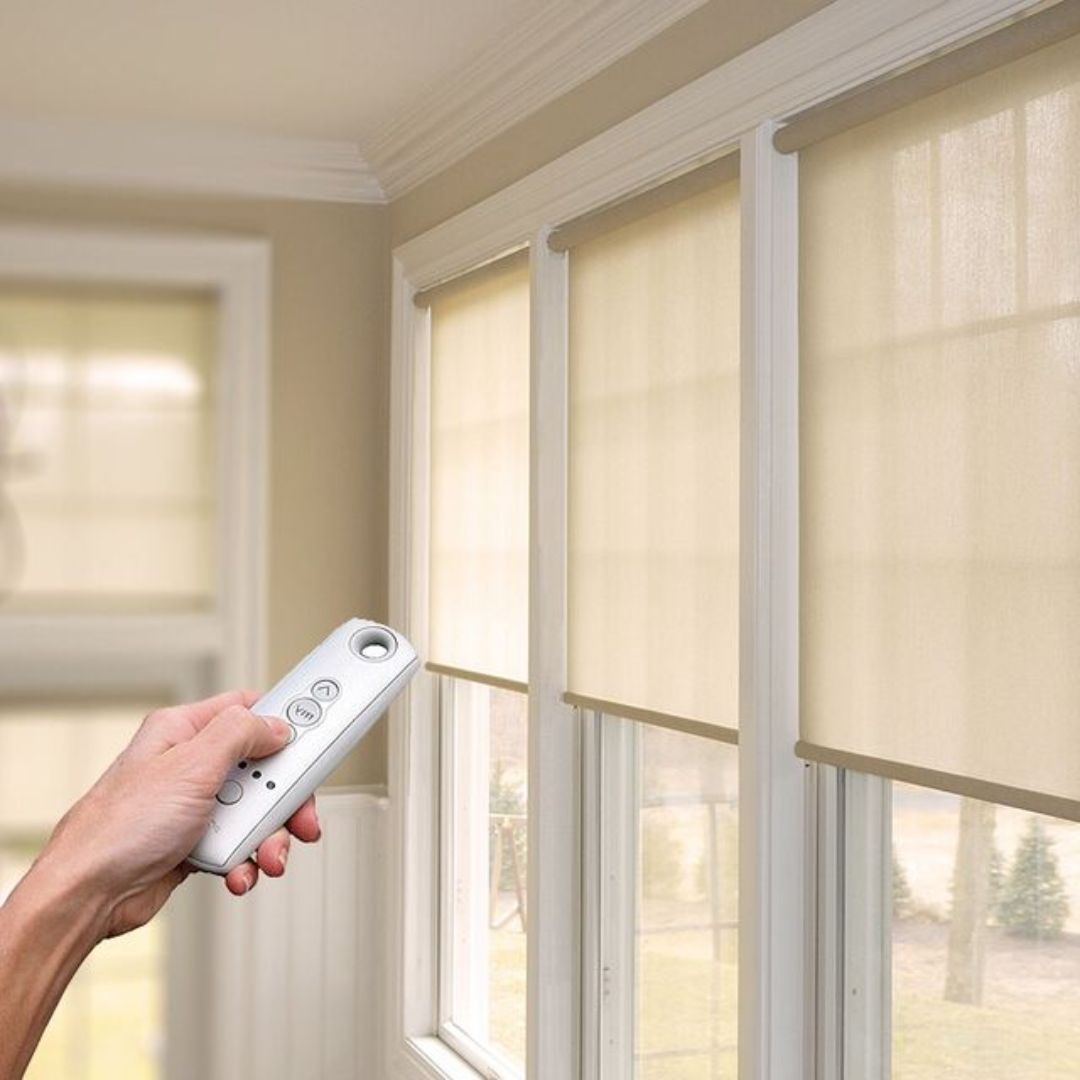
In new Vancouver homes, window coverings are becoming part of the lighting and comfort plan rather than a last-minute decorating purchase. The strongest trends are simple: preserve precious winter daylight, create privacy in closely spaced homes, prepare for direct summer sun and motorize the windows that benefit most.
1. Daylight-first rooms for darker months
Large windows are a major feature of many new condos, townhomes and detached houses. Covering them with a heavy treatment all day works against that design, especially through Vancouver's long stretch of overcast weather. Homeowners increasingly want fabrics that can open fully, filter strong light when necessary and avoid making an already grey day feel darker.
This does not mean every window needs a sheer. It means choosing room by room. A living area may suit light-filtering roller or zebra shades, while a bedroom may use blackout fabric that stays open throughout the day. The trend is toward flexible operation rather than one fabric performance level across the entire home.
2. Privacy without losing the whole view
New homes often sit close to neighbours, sidewalks or other condo towers. Adjustable coverings help manage those sightlines without keeping the room closed off. Zebra shades shift between sheer and solid bands, Venetian blinds tilt their slats, and top-down bottom-up cellular shades can admit daylight from above while covering the lower part of a street-facing window.
Nighttime needs a separate check. A fabric that feels private in daylight may become more transparent when interior lights are on. Test privacy after dark as well as during the consultation, particularly in bedrooms, bathrooms and ground-floor rooms.
3. Selective motorization instead of automating everything
Motorized blinds are increasingly planned for tall stairwell windows, skylights, wide living-room glass and groups of shades that would otherwise need several manual adjustments. Schedules can open shades to welcome morning light and close exposed windows before strong afternoon sun arrives. Remote, app and compatible voice control add convenience without changing the fabric's basic job.
The practical approach is selective. Keep easy-to-reach, frequently adjusted bedroom windows manual if that suits your routine, and spend the motorization budget where reach, window size or automation genuinely improves daily life. A mixed manual-and-motorized home can be more useful than adding a motor everywhere simply because it is available.
4. Power and placement planned before finishing
New construction creates options that are harder in a finished room. If hardwired shades are being considered, motor locations and electrical requirements should be coordinated early with the builder and a qualified electrician. Recesses, ceiling details and curtain tracks also need space that should not collide with framing, lighting or ventilation.
Finished homes still have practical choices. Rechargeable motors avoid opening walls, and compatible hidden solar-panel charging can reduce manual charging on suitable installations. Product availability and placement depend on the selected motor and window, so confirm those details before assuming one power approach fits every room.
A new-home planning checklist
| Decision | Best time to plan | Why it matters |
|---|---|---|
| Room-by-room privacy | Before choosing fabrics | Daytime and nighttime needs can be different |
| Hardwired motor power | Before electrical and finishing work | Wiring routes and motor positions are easier to coordinate |
| Recesses and curtain tracks | Before ceilings and millwork are finished | Hardware needs physical clearance |
| Patio-door stack direction | Before furniture is finalized | The open covering should not block the main walkway |
| Fabric samples | In the actual home and daylight | Colour, glare and privacy change with exposure |
5. Clean hardware and coordinated finishes
Minimal interiors have increased demand for simple roller profiles, coordinated cassettes and fascia finishes that conceal the working parts without visually dominating the window. White, black, silver and other hardware choices can either blend into the frame or deliberately echo lighting, plumbing and cabinet finishes.
A clean result still starts with fit. The mounting position, roll direction and available depth determine whether hardware can sit neatly inside a frame or needs an outside mount. Good planning makes the finished covering look intentional rather than added as an afterthought.
6. Different fabrics for different rooms
The one-style-everywhere approach is giving way to coordinated variety. Blackout rollers suit bedrooms, cellular shades add insulating honeycomb construction where comfort is a concern, moisture-suitable Venetian materials work in kitchens and bathrooms, and vertical or side-stack coverings handle wide patio doors. A consistent colour family can keep the home visually cohesive even when the products differ.
Made-to-measure coverings are particularly valuable in a new home because window sizes and mounting conditions can vary between floors and elevations. Measuring each opening also creates an opportunity to catch handle, tile, millwork and furniture conflicts before production.
What to finalize before possession or move-in
- List the rooms that need nighttime privacy from day one.
- Mark tall, hard-to-reach and strongly sun-exposed windows for possible motorization.
- Confirm any hardwired power requirements with the builder and electrician.
- Check patio-door operation and reserve space for the covering stack.
- Arrange measurement when windows and surrounding finishes are complete enough for accurate dimensions.
- Prioritize essential rooms first if the full home cannot be completed in one phase.
Plan the windows before the finishing details
We can help compare manual and motorized options, coordinate measurements and select fabrics for each room in your new Metro Vancouver home.